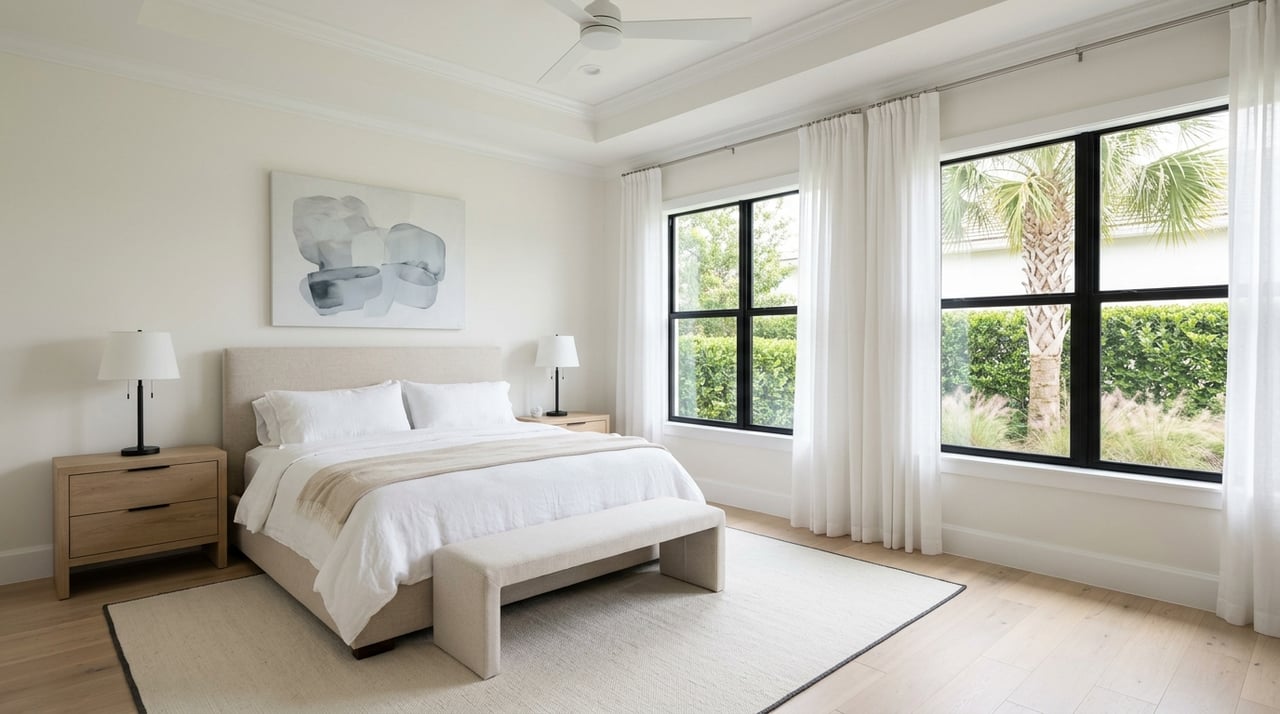
Your Timeline for Selling a Home in St Johns
July 23, 2026
July 23, 2026
If you are thinking about selling in St. Johns, it helps to know one thing up front: even in a strong market, a well-timed sale usually does not happen overnight. You want the best possible outcome, but you also want fewer surprises, fewer delays, and a smoother path from prep to closing. This step-by-step timeline will show you what to do, when to do it, and where careful planning matters most in St. Johns. Let’s dive in.
In St. Johns County, sellers should plan ahead rather than assume a fast launch and instant contract. Recent market data shows homes are still moving, but timelines vary. In May 2026, Redfin reported a median 64 days on market for St. Johns County, while NEFAR reported 34 median days on market for single-family homes, which means a sale often unfolds over weeks, not days.
This early window is where you build the strategy for everything that follows. You can decide on timing, talk through pricing, and evaluate your home’s condition before buyers ever walk through the door. In a county where pricing is strong but some listings still reduce price, smart preparation matters.
Before listing, take a careful look at anything that could come up later during buyer due diligence. Florida contract language and Florida Bar guidance make seller disclosure an important part of the process, especially for facts that materially affect value and are not readily observable.
This is a good time to review known defects, incomplete repairs, open permits, or past issues that may need to be addressed or disclosed. Catching these items early can help you avoid contract stress later.
A pre-sale inspection is not required, but it can be useful. According to NAR guidance, it may reveal issues you may want to repair before showings begin.
Even if you do not plan to fix every item, it is still helpful to estimate the cost of significant repairs. That gives you a clearer picture when setting price and preparing for buyer questions.
Start collecting the documents that often get requested later. Warranties, appliance manuals, receipts for completed work, and records tied to home systems can all be helpful during the transaction.
This is also a smart time to gather information tied to the property itself, especially if you already know there are permits, association documents, or community fees that may need attention.
Once the plan is in place, the next phase is all about presentation. In a market like St. Johns County, where homes sold for about 98% of asking on average in June 2026, details still matter. Buyers notice condition, cleanliness, and how well the home shows online.
This is the time to focus on the work that makes your home feel clean, cared for, and easy to picture living in.
You do not need to renovate everything before selling. NAR guidance supports focusing on visible condition issues first and estimating major repair costs instead of automatically taking on every upgrade.
A practical approach often includes fixing items that affect first impressions or raise easy concerns during showings. Think in terms of maintenance and presentation, not perfection.
Simple prep can make a major difference in photos and in-person showings. NAR recommends cleaning windows, carpets, lighting fixtures, and walls, along with reducing clutter and improving curb appeal.
When buyers can clearly see the space, they have an easier time understanding the home’s layout and condition. Clean, bright rooms also tend to photograph better, which matters from day one.
Staging helps buyers imagine living in the home. NAR defines it as cleaning a home and temporarily furnishing it so buyers can picture themselves there.
For many sellers in St. Johns, that may mean editing furniture, simplifying decor, and creating a lighter, more open feel. For higher-end homes especially, polished presentation can support stronger early interest.
If your home is in an HOA, do not wait until the last minute to deal with association paperwork. Under Florida law, an association must issue an estoppel certificate within 10 business days after a written or electronic request.
That timeline can affect your closing prep, especially if you are coordinating photos, launch timing, and payoff details. If your community includes HOA fees, CDD charges, or special district assessments, gathering those details early can help keep the sale on track.
By listing week, your home should be ready for photos, showings, and active buyer interest. This is where pricing, preparation, and presentation all come together.
St. Johns County has strong pricing, but it is not a market where sellers can ignore strategy. Redfin reported that 22.7% of listings had price drops in May 2026, which is a useful reminder that launch price still matters.
A strong asking price should reflect current local conditions, not just your ideal outcome. County data points to healthy prices, but also to a market where buyers are still comparing value carefully.
Pricing too high can cost you momentum during the first weeks on market. Pricing with current St. Johns data in mind can help you attract serious traffic and avoid chasing the market later.
It helps to prepare mentally and logistically for a showing period that lasts more than a weekend. With local data ranging from 34 to 64 median days on market depending on source and property mix, sellers should expect an active marketing phase measured in weeks.
That means keeping the home consistently clean, flexible for appointments, and ready for feedback-based adjustments if needed.
Once your home is live, your job is not over. The first few weeks are when you learn how buyers are responding to price, condition, and presentation.
This stage often determines whether you move quickly toward a strong offer or need to adjust course.
Show-ready does not mean perfect every minute, but it does mean staying prepared. In Florida’s standard contract, the seller is expected to maintain the property, including the lawn, shrubbery, and pool, in the condition existing as of the effective date.
That makes regular upkeep important while your home is listed and after you go under contract.
If showings are happening but offers are not, the market may be telling you something. Buyers may be reacting to price, presentation, or condition.
Because St. Johns County includes many higher-priced homes, it is also worth remembering that statewide 2024 Florida Realtors data showed longer time to contract for higher price ranges. Homes priced from $600,000 to $999,999 took 42 days to reach contract, while homes at $1 million or more took 54 days.
Accepting an offer is a major milestone, but it is not the finish line. In Florida, the contract-to-close period has several built-in deadlines, and missing one can create avoidable stress.
Statewide 2024 Florida Realtors data showed a median 44 days to contract and 87 days to sale. That is a helpful reminder that closing takes time even after you secure a buyer.
Under the Florida Realtors/Florida Bar AS IS contract, the buyer’s default inspection period is 15 days unless the parties agree otherwise. This is often one of the first major milestones after contract acceptance.
During this time, buyers may investigate the property’s condition and raise repair or credit requests depending on the contract terms and findings.
The same contract gives the buyer 5 days after receiving the title commitment to review it. If title issues come up, the seller generally has 30 days to use reasonable diligent efforts to cure title defects.
This is one reason early prep matters. Old paperwork issues, permit questions, or ownership-related problems can slow the process if they surface late.
Florida contracts state that time is of the essence. In plain terms, deadlines matter.
From inspections to title review to final closing tasks, each step has a sequence. Careful coordination can make the difference between a smooth transaction and a stressful one.
The last stretch is about confirming details, signing documents, and keeping the property in the agreed condition until the deal is fully closed and funded.
Even here, timing matters.
Some of the most common friction points in a Florida sale include HOA estoppels, title objections, lender timing, and association or permit issues. These are not dramatic problems in every transaction, but they are common enough that sellers should plan for them.
The more organized you are before listing, the easier this final stage tends to be.
Florida documentary stamp tax is a standard seller-side closing item. The Florida Department of Revenue states that deeds transferring Florida real property are subject to documentary stamp tax at 70 cents per $100 of consideration in all counties except Miami-Dade.
The Florida contract also requires the seller to execute and deliver the deed and other transfer documents at or before closing. If work was done on the property, paid receipts may also need to be provided when applicable.
The buyer may do a final walkthrough on the day before closing or on closing day under the Florida contract. That walkthrough helps confirm the property has been maintained and that agreed personal property remains in place.
In other words, keep the home in good shape right up to closing. Do not mentally check out too early.
For most sellers, a realistic timeline looks something like this:
That full arc often takes longer than sellers expect at first. In St. Johns, the best results usually come from treating the sale like a coordinated project, not a last-minute event.
If you want a calm, well-managed sale, having a local advisor who understands St. Johns pricing, presentation, and Florida contract timing can make the process feel much more straightforward. When each stage is handled with care, you can move forward with more confidence and fewer surprises.
If you are thinking about selling in St. Johns and want a high-touch plan built around your timeline, marketing, and next move, Pamela Hoffman is here to help.
October 22, 2026
October 15, 2026
October 8, 2026
October 1, 2026
September 24, 2026
September 17, 2026
September 10, 2026
September 3, 2026
August 27, 2026
Pamela Hoffman is a top-performing real estate advisor and licensed broker associate who can expertly guide you through your real estate journey. With over 25 years of sales, leadership, and service experience, Pamela provides exceptional service while also making the real estate process fun.

Pamela Hoffman
One Sotheby's International Realty
820 A1A N Ste E15 Pont Vedra Beach FL, 32082