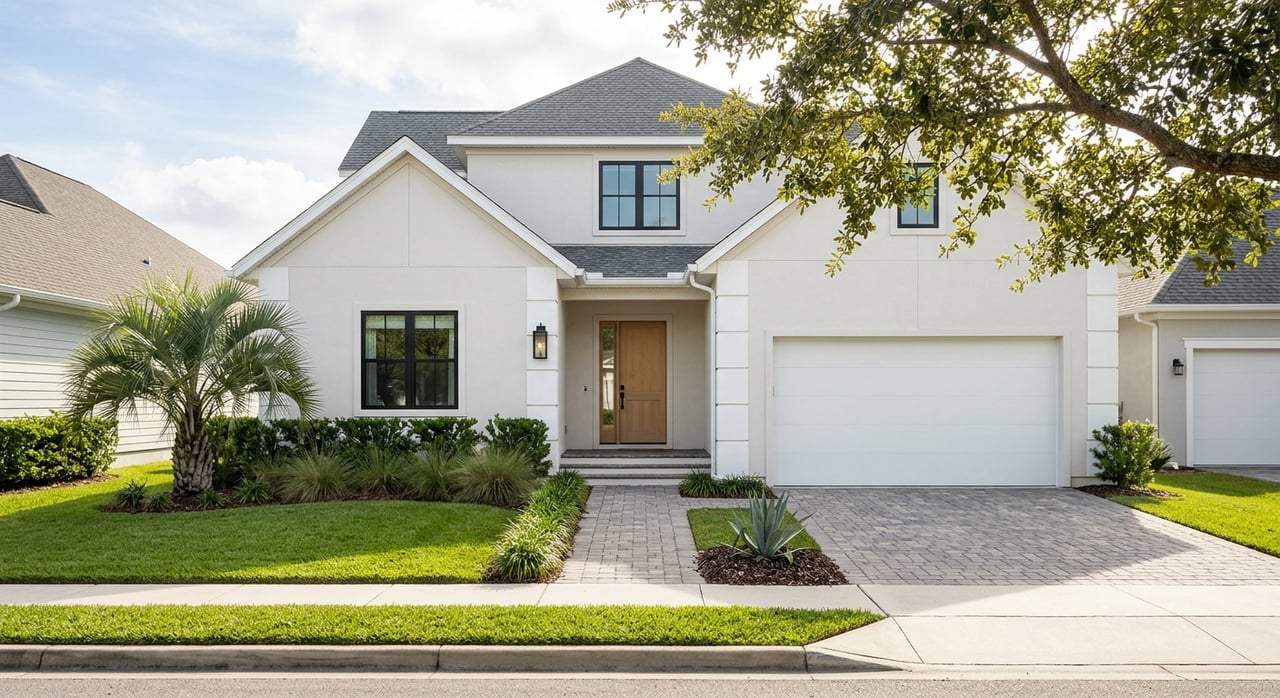
Everyday Living in St Augustine Florida
April 2, 2026
April 2, 2026
If you are thinking about a move to Florida’s First Coast, St. Augustine probably stands out right away. It offers something many places cannot: a real historic setting, easy access to the coast, and a daily lifestyle that feels both active and distinctive. If you want to know what it is actually like to live here full time, this guide will walk you through the feel of the city, the neighborhoods, the pace of everyday life, and a few practical tradeoffs to keep in mind. Let’s dive in.
Living in St. Augustine does not feel like living in a typical newer Florida suburb. The city’s core is shaped by its historic layout, and Historic Downtown includes some of the oldest parts of the city, with many buildings dating back to the 1700s.
That history is not just for visitors. The city’s preservation approach helps protect historic buildings, sites, and neighborhoods, which gives many parts of St. Augustine a visually rich, character-filled setting that you notice in everyday life.
One of the biggest lifestyle advantages is that the downtown area is highly walkable. According to the City of St. Augustine’s transportation information, the historic core is extremely walkable, which can make it easy to enjoy restaurants, shops, bayfront views, and local attractions without always needing your car.
That said, walkability depends a lot on where you live. If you are outside the core, daily life becomes more car-dependent, which is common across many parts of the region.
St. Augustine is not one-size-fits-all. It is made up of distinct residential pockets, each with its own look, rhythm, and housing mix.
The city’s support for neighborhood associations and planning resources also reflects how local identity matters here. When you are deciding where to live, the neighborhood you choose can shape your day-to-day experience in a big way.
This is the part of St. Augustine most people picture first. According to the local neighborhood guide, this area includes restaurants, shopping, museums, historic churches, bayfront walks, and architecture that ranges from early European influences to bungalow-style homes and larger historic buildings.
If you want to be close to activity and enjoy a setting with strong architectural character, this area may appeal to you. The tradeoff is that you are also closer to visitor traffic, parking challenges, and more year-round activity.
Just north of downtown, Uptown and San Marco Avenue offer a mix of historic properties and local businesses. These areas are known for boutique shops, galleries, antique stores, and neighborhood eateries, while San Marco Avenue also serves as one of the city’s main gateways.
For many buyers, this area can feel connected and convenient without being exactly the same as the downtown core. It still carries historic charm, but with its own slightly different pace.
Lincolnville is one of St. Augustine’s most historically significant neighborhoods. The same neighborhood guide describes it as eclectic and community-oriented, with homes, businesses, churches, parks, museums, and festivals.
For residents, that can translate into a strong neighborhood identity and a setting with deep local history. It is one of the areas that adds to the city’s layered character.
Across the Bridge of Lions area, Davis Shores and the Anastasia Boulevard corridor have a different development pattern. The city notes that this side of town has a more planned, coastal feel and a lower, more horizontal street pattern than the colonial grid found downtown.
If you prefer a setting that feels a little more open while still staying close to downtown and the island, this area is often part of the conversation. It is also one of the areas where buyers should pay attention to local flooding conditions, since the city notes that low-lying locations such as Davis Shores can experience tidal flooding.
As you move closer to the coast, the housing mix shifts again. In the beach community areas, you will find more single-family homes, low-rise condos, and cottages, with a more relaxed coastal atmosphere.
This can be a strong fit if you are drawn to beach access and a laid-back lifestyle. It can also appeal to buyers looking for lower-maintenance options near the water.
For daily life, St. Augustine offers a practical mix of local commercial corridors and destination-style areas. The research points to corridors like King Street, San Marco Avenue, and Ponce de Leon Boulevard as common places for restaurants, shops, services, and everyday needs.
That means you are not relying only on the tourist center for convenience. Residents can usually build routines around these key roads while still enjoying the city’s historic and coastal setting.
If you live in or near the historic center, you may have options beyond driving. The city operates the free STAR Circulator around Historic Downtown, and St. Johns County’s Sunshine Bus system provides local routes and demand-response service in the area.
For most residents, though, driving still plays a big role. Regional travel is shaped by US-1, A1A, and nearby I-95, which help connect St. Augustine to the rest of St. Johns County and the broader First Coast.
This is one of the most important realities to understand before moving here. St. Augustine is a very popular destination, and the city makes clear that congestion can be significant during busy periods.
Parking can also be a challenge, especially near the historic core. The Historic Downtown Parking Facility is a major option, but planning ahead matters if you are heading into high-traffic areas.
For some residents, this is a minor inconvenience compared with the lifestyle benefits. For others, especially if they expect a quiet suburban pattern everywhere, it can take some adjustment.
If you enjoy being outside, St. Augustine offers a lot to work with. Anastasia State Park gives residents access to beaches, trails, birding, kayaking, paddleboarding, and camping just beyond the historic center.
That kind of access can shape your weekly routine in a meaningful way. Instead of planning a full getaway, you can enjoy nature, water access, and open space close to home.
St. Augustine is not only scenic. It also has a strong calendar of cultural and community events that keep the city feeling active across seasons.
The First Friday Art Walk is a monthly example, and the city is also known for Nights of Lights during the holiday season. On Anastasia Island, The St. Augustine Amphitheatre adds concerts and a Saturday farmers market with local food, art, and music.
In St. Augustine, history is not tucked away in one museum district. It is woven into the city’s streets, landmarks, and public spaces.
That includes places like Fort Mose Historic State Park, which preserves the site of the first legally sanctioned free African settlement in what is now the United States. The park includes a visitor center, museum, boardwalk, kayak launch, and birding opportunities, which makes it both historically important and useful for recreation.
Like many coastal Florida locations, St. Augustine has practical issues to keep in mind. The city specifically notes that low-lying areas such as Davis Shores can experience tidal flooding, and it is actively working on mitigation projects.
That does not mean every area has the same level of exposure, but it does mean buyers should take local conditions seriously. Understanding location-specific details is an important part of making a confident housing decision here.
One thing that stands out in the research is that St. Augustine is not only set up for visitors. The city’s Community Services programs support mobility, neighborhood grants, residential repair assistance, and other quality-of-life efforts for full-time residents.
That adds another layer to the city’s appeal. Even with its strong tourism economy, there is clear attention to the people who call St. Augustine home year-round.
In simple terms, living in St. Augustine means balancing charm and practicality. You get historic character, strong neighborhood identity, outdoor access, cultural events, and a setting that feels different from many other Florida cities.
You also need to be comfortable with some seasonal crowds, parking pressure, and the realities that come with coastal living. For many buyers, that balance is exactly what makes St. Augustine so appealing.
If you are exploring a move to St. Augustine or anywhere along Florida’s First Coast, working with a local advisor can help you compare neighborhoods, lifestyle fit, and housing options with more clarity. When you are ready to talk through your next step, connect with Pamela Hoffman.
August 20, 2026
August 13, 2026
August 6, 2026

August 6, 2026
July 23, 2026
July 16, 2026
July 9, 2026
July 2, 2026
June 25, 2026
Pamela Hoffman is a top-performing real estate advisor and licensed broker associate who can expertly guide you through your real estate journey. With over 25 years of sales, leadership, and service experience, Pamela provides exceptional service while also making the real estate process fun.

Pamela Hoffman
One Sotheby's International Realty
820 A1A N Ste E15 Pont Vedra Beach FL, 32082