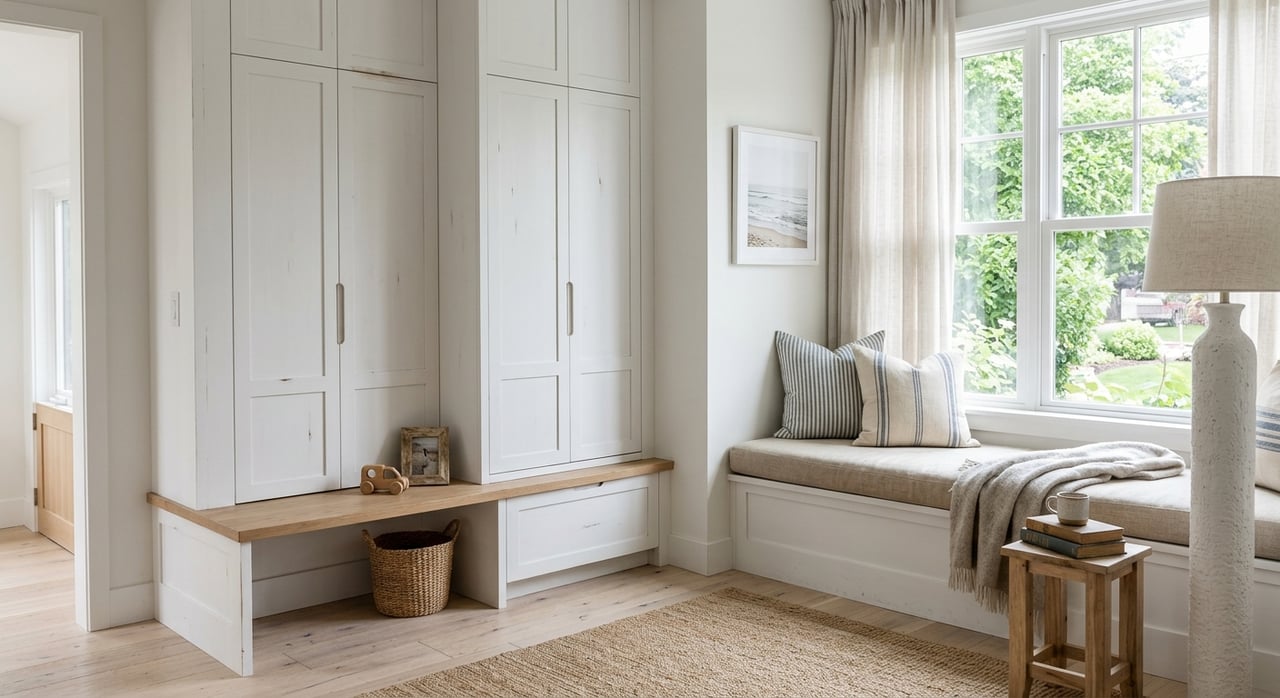
Staging a St. Johns Family Home for a Smooth Sale
May 14, 2026
May 14, 2026
If you are trying to sell a family home in St. Johns while still living in it, you are not alone, and you do not need magazine-perfect results to make a strong impression. In a market where buyers often compare homes over weeks instead of making instant decisions, the way your home looks, feels, and functions can shape how quickly they connect with it. The good news is that staging an occupied home is less about creating a fake life and more about making your real home feel calm, clean, and easy to picture. Let’s dive in.
St. Johns County is a fast-growing, family-oriented market with a high owner-occupied housing rate. Census data shows 82.2% of homes are owner-occupied, with 2.62 persons per household and 21.2% of residents under 18, which points to a large pool of buyers looking for functional family homes.
That context matters when you are selling. Recent market data also suggests homes are moving, but not overnight, with reported median days on market ranging from about 64 days to pending to 99 days on market depending on the source. In other words, buyers usually have options, so presentation, photos, and day-to-day livability still matter.
St. Johns County also continues to add housing, with 5,575 building permits issued in 2024. That means your home may be competing with newer or recently built properties, where buyers often expect a clean, move-in-ready feel even when a home is occupied.
You do not need to fully stage every room to make your home market-ready. According to the National Association of Realtors 2023 Profile of Home Staging, buyers' agents ranked the living room, primary bedroom, and kitchen as the most important spaces to stage.
That is good news for busy households. If your time and energy are limited, put your biggest effort into the spaces that shape the first impression and help buyers imagine daily life in the home.
The living room is often where buyers decide whether a home feels comfortable and usable. Clear extra furniture, edit decor, and open up walkways so the room feels easy to move through.
Try to keep surfaces simple and intentional. A few well-placed items can make the room feel warm, but too many personal objects, toys, or storage baskets can make the space read smaller in person and in photos.
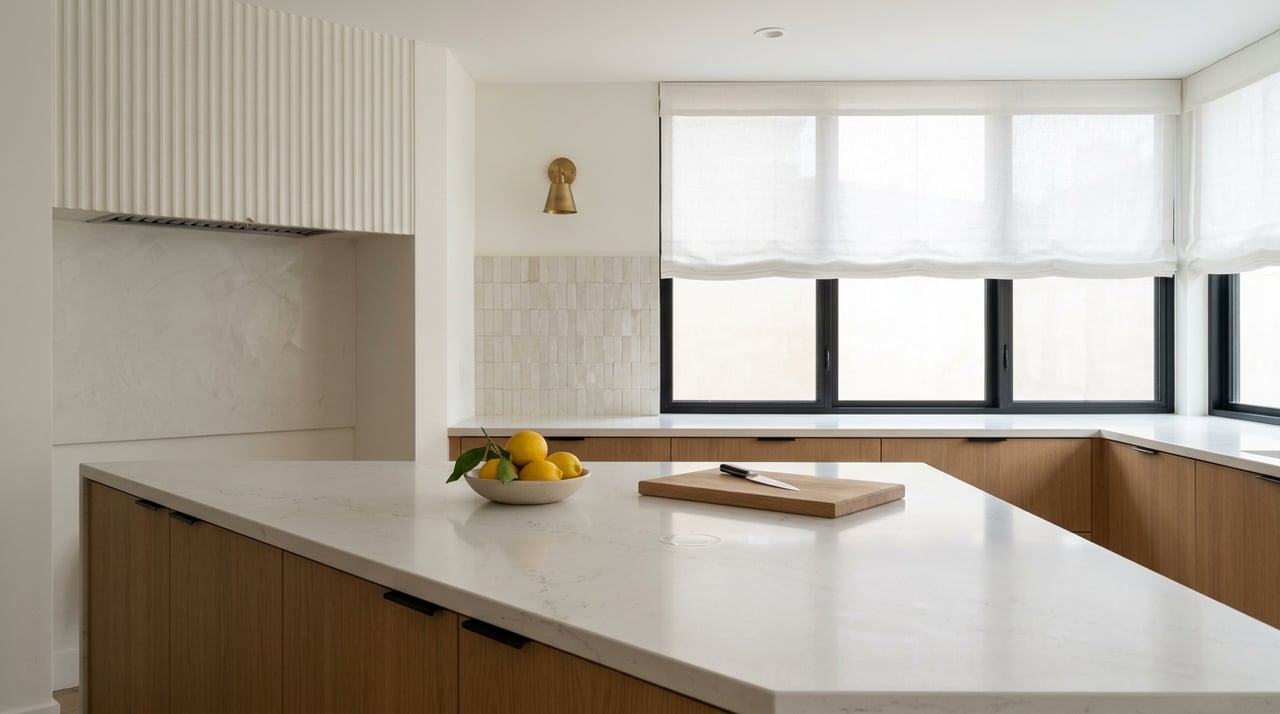
Kitchens carry a lot of visual weight in listing photos and showings. Clear counters as much as possible, leaving only a few everyday items that look neat and purposeful.
If you have a busy family kitchen, this may mean using one cabinet, pantry shelf, or bin as your daily reset zone. Before photos or showings, tuck away mail, water bottles, small appliances you do not need out, and anything that collects near the sink.
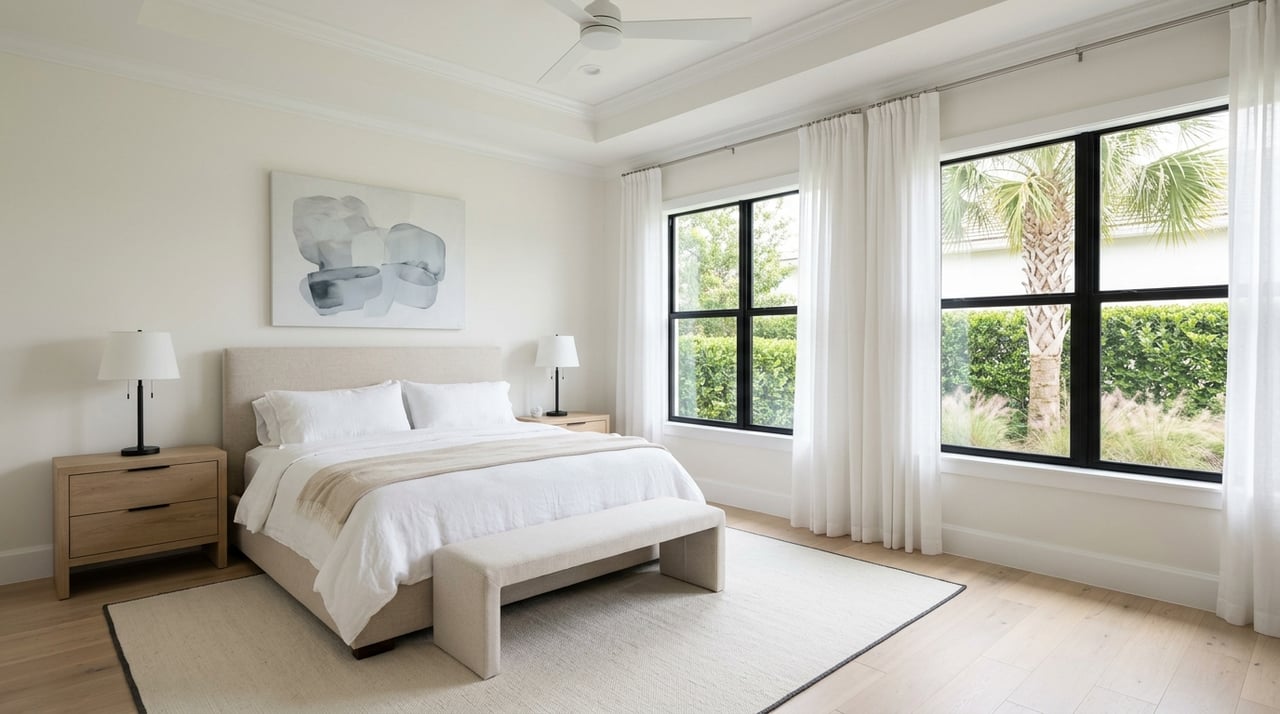
Your primary bedroom should feel restful, not crowded. Keep bedding simple, clear dressers and nightstands, and remove anything that makes the room feel overfilled.
If this room doubles as a workspace or catch-all zone, decide what needs to stay and what can be packed early. Buyers should be able to understand the room’s purpose right away.
One of the biggest myths about staging is that you have to remove every trace of real life. In practice, occupied homes usually perform best when they feel edited and well maintained, not stripped of personality.
That approach also matches what staging data suggests. Sellers’ agents most commonly recommend decluttering, whole-home cleaning, depersonalizing, minor repairs, carpet cleaning, and outdoor work. The goal is not perfection. The goal is helping buyers focus on the home itself.
In a lived-in family home, the biggest issue is often not one large problem but many small ones. Extra chairs, duplicate toys, backup storage bins, stacks of papers, and bulky gear can quietly make each room feel tighter.
As you prepare to list, remove anything you do not use regularly. If an item does not help the room look larger, lighter, or more functional, it is probably a candidate to pack now.
A family home can still feel warm without displaying everything. Scale back framed photos, children’s artwork on every surface, and highly personal collections so buyers can focus on the home’s layout and features.
This does not mean your home has to feel cold. It just means your styling should support the space instead of competing with it.
The hardest part of staging while living in the home is not photo day. It is maintaining a show-ready look for days or weeks. The best system is one your household can actually repeat.
Backpacks, shoes, lunch boxes, sports bags, and chargers can take over fast. Give each category a home behind a door, inside a basket, or in a cabinet so you can reset quickly before a showing.
Closed storage is especially helpful because it keeps sightlines cleaner in photos and in person. Even organized open storage can look visually busy when buyers are moving quickly through the home.
A fast daily reset can keep your home from feeling overwhelming. Focus on the areas buyers notice most first.
A practical reset might include:
When each family member has one or two jobs, the process becomes much more manageable.
If you know you are moving, use that to your advantage. Pack off-season clothes, extra linens, duplicate toys, books you are not reading, and decorative items you can live without for a few weeks.
This creates breathing room in closets, cabinets, and shelves, which helps buyers see storage potential. It also makes your eventual move easier.
Children’s rooms do not need a full redesign to do their job. In fact, staging research shows they are the least commonly staged rooms.
That means a simple, neat, calm children’s room is enough in most cases. Focus on floor space, made beds, and limited items on display.
You do not need to hide the fact that children live in the home. You do want toys to look contained and manageable.
A good approach is to keep only a small number of toys visible and store the rest in bins, drawers, or closets. Oversized play items or duplicates are often worth removing during the listing period.
If a room is currently doing triple duty as a playroom, office, and guest room, buyers may struggle to understand it. Pick the use that makes the most sense for your likely buyer and stage around that purpose.
Clear room identity helps buyers visualize how they would live in the space. That matters because staging works best when it makes the home easier to imagine as their future home.
Some of the biggest showing-day distractions are not furniture or decor. They are pet bowls, litter boxes, dog beds, hampers, drying racks, and random daily clutter.
The same staging research found that 83% of sellers’ agents recommend removing pets during showings. Even if that is not possible every time, it is smart to create a simple pet plan before your home goes live.
Keep a short list of items that should disappear before a showing. This helps you move fast when you get notice.
Your grab list may include:
A laundry basket or storage tote can help you do a fast sweep when needed.
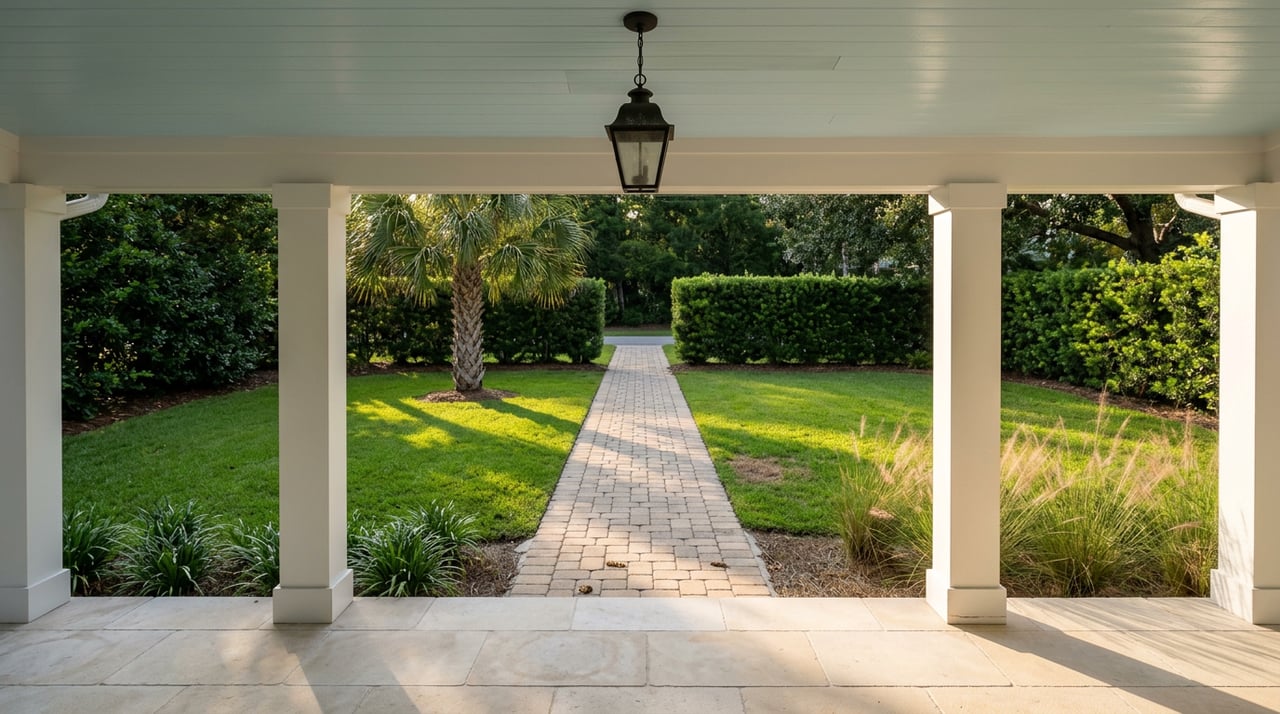
In St. Johns and the wider First Coast area, buyers often see your home first online. Exterior photos matter, and so does the feeling buyers get when they pull up for a showing.
That is especially important in coastal North Florida, where bright sun, humidity, afternoon storms, and hurricane season can affect your timeline and your exterior presentation.
Do not wait until the interior is perfect to think about the exterior. Landscaping and outdoor-area work are commonly recommended seller improvements, and they affect both listing photos and in-person showings.
Before photos, aim to:
Ready.gov advises bringing in outdoor furniture and loose items to reduce damage and debris risk during storm conditions. That is practical advice for keeping your home photo-ready during Florida’s storm season too.
St. Augustine’s local climate includes more than 300 days of sunshine a year, but summer and early fall can also bring intense heat, humidity, and frequent afternoon thunderstorms. If you are scheduling photos, build in some flexibility.
Morning shoots may offer better light and comfort, and having a backup date can save stress if weather shifts. A clean, bright indoor environment also matters more on humid or stormy days, when buyers notice comfort right away.
If you have ever watched home makeover shows, it is easy to think your home has to look flawless to compete. Real buyers do not need that, and staging research shows many people already have unrealistic expectations from television.
What buyers usually respond to is much simpler. They want clean, bright, functional spaces that feel well cared for and easy to understand.
In a St. Johns family home, that often means:
That kind of preparation can make a real difference. In the same NAR report, nearly half of sellers’ agents said staging led to either a slight or great decrease in time on market.
Selling while living in your home takes planning, but it does not have to take over your life. The most effective strategy is usually a realistic one: focus on the rooms that matter most, simplify your daily systems, and prepare for photos and showings with a repeatable checklist.
In St. Johns, where many buyers are comparing well-kept family homes and newer construction options, thoughtful presentation can help your property feel move-in ready without losing the warmth of real life. If you want a calm, tailored plan for preparing your home to sell, Pamela Hoffman can help you make smart updates, simplify the process, and present your home at its best.

September 17, 2026
September 10, 2026

September 3, 2026

August 27, 2026
August 20, 2026
August 13, 2026
August 6, 2026
August 6, 2026
July 23, 2026
Pamela Hoffman is a top-performing real estate advisor and licensed broker associate who can expertly guide you through your real estate journey. With over 25 years of sales, leadership, and service experience, Pamela provides exceptional service while also making the real estate process fun.

Pamela Hoffman
One Sotheby's International Realty
820 A1A N Ste E15 Pont Vedra Beach FL, 32082