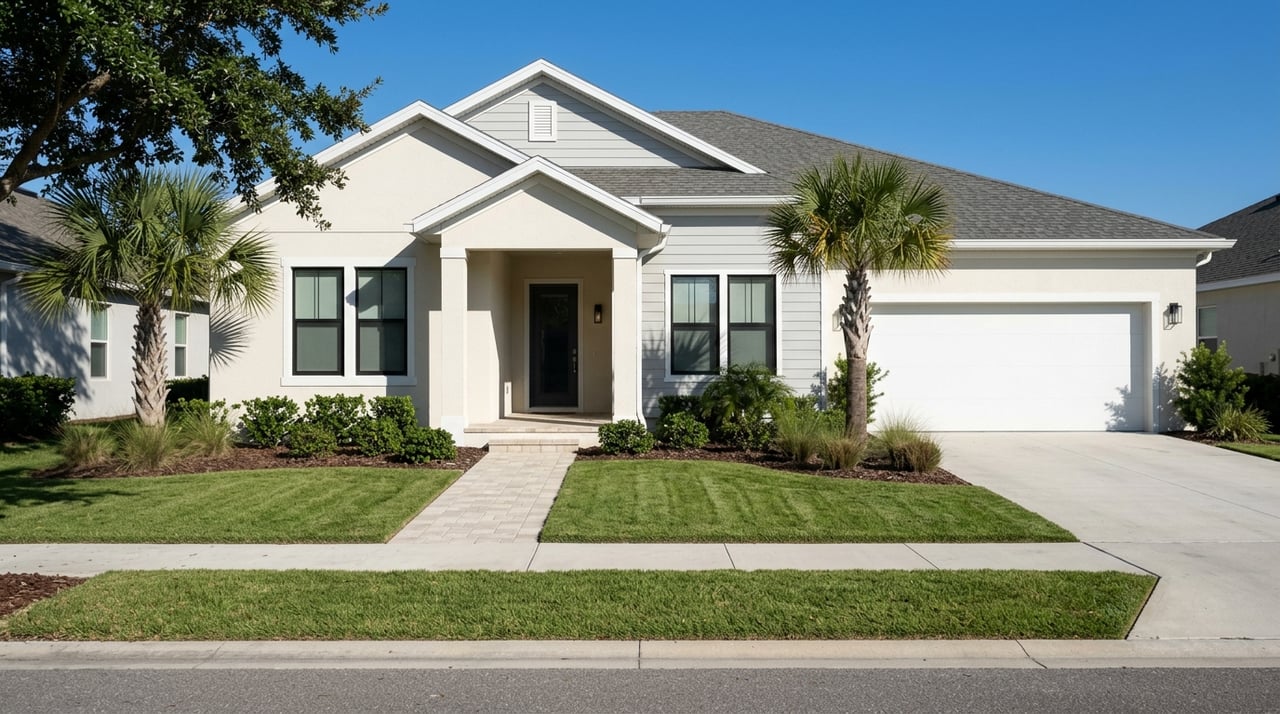
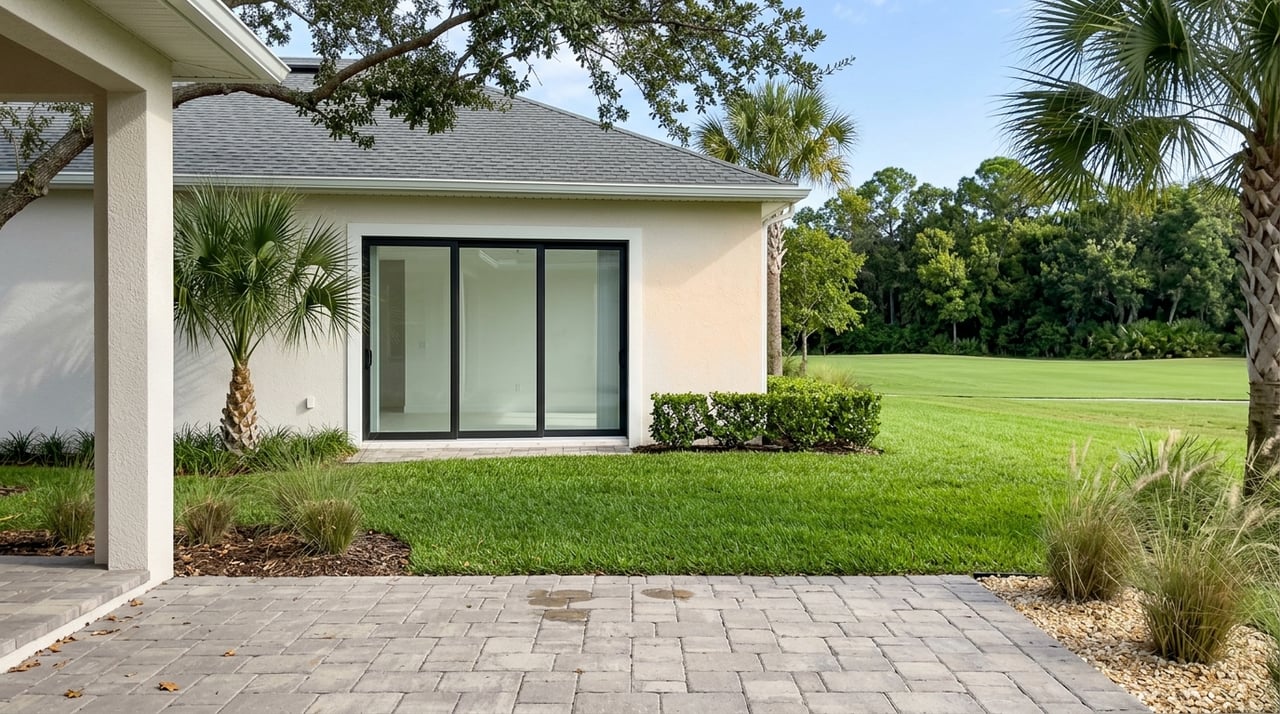
Thinking about listing your Jacksonville Beach home this spring? You are not alone. Many buyers start touring in late winter and early spring, which can push up showings and competition for the best properties. With a smart plan, you can hit the March or April window and show your home at its best. Below is a simple, step-back timeline plus coastal-specific tips to help you prepare with confidence. Let’s dive in.
Why spring works in Jacksonville Beach
Spring brings strong buyer activity on the First Coast. National and regional trends show late winter through spring is a high-traffic period for home tours and new listings. In Jacksonville Beach, you also see seasonal visitors and second-home shoppers in the mix, which can add demand along the coast.
The weather helps your prep timeline. Our winters are mild, so you can schedule exterior work like painting, deck repairs, and landscaping in the cooler months. Listing in spring also positions your sale ahead of Atlantic hurricane season, which runs June 1 through November 30, according to NOAA. That can reduce the risk of storm delays for showings, inspections, and closings.
Backward timeline to list by March or April
Use this as your planning guide. Pick your target listing week in March or April, then work backward.
10 to 16+ weeks before listing
- Plan any substantial repairs that are needed to be market-ready, such as roof replacement, major deck or structural fixes, or larger bath and kitchen projects.
- Start contractor interviews and gather multiple bids. Confirm licenses and insurance, and ask for realistic start and finish dates.
- If your home may need permits, contact the City of Jacksonville or Duval County permitting offices early to confirm requirements and review times.
- If you do not have an elevation certificate and you are in a higher-risk flood area, schedule a surveyor now. This can take weeks to arrange.
6 to 10+ weeks before listing
- Begin any permitted work or projects with longer lead times, such as a roof replacement, impact-rated windows, major deck or seawall work, or large exterior painting.
- Plan landscaping projects that need time to establish, like new sod or planting.
- Book staging consultations and professional photography for the month before you list. Spring calendars fill up fast.
3 to 6 weeks before listing
- Complete interior cosmetic updates: neutral paint touch-ups, caulk and grout repair, hardware swaps, and flooring repairs or deep cleaning.
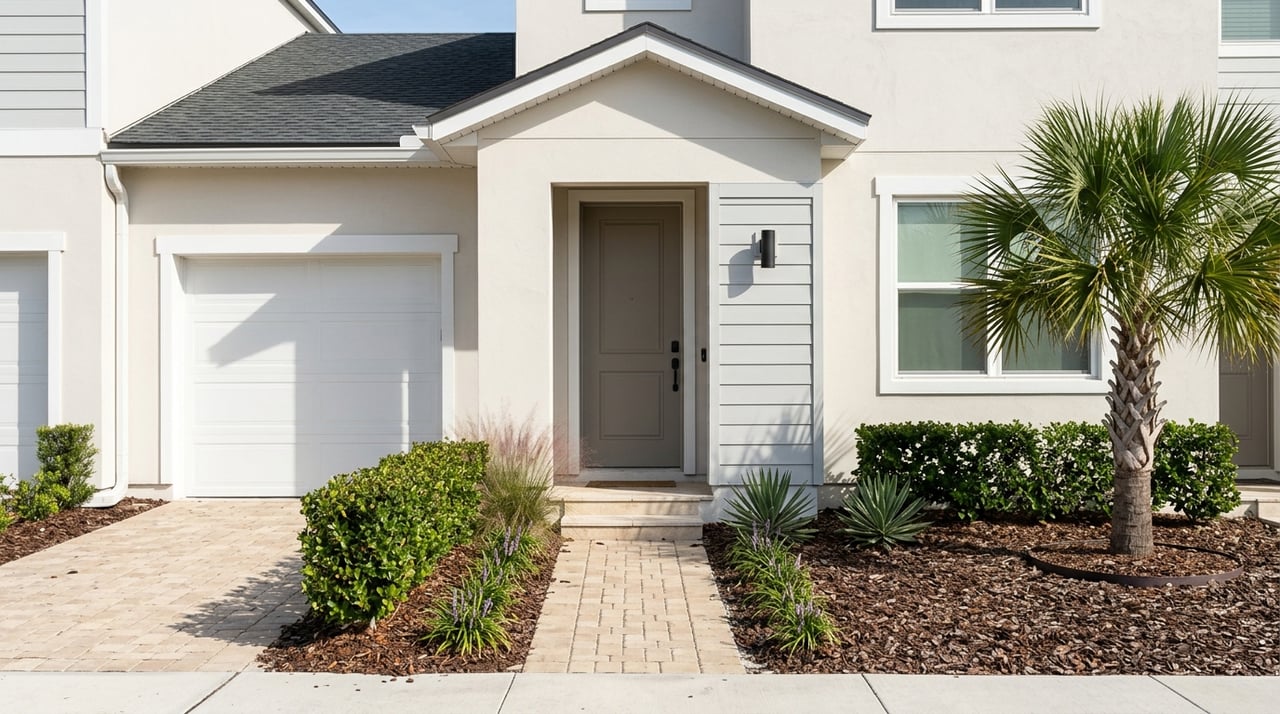
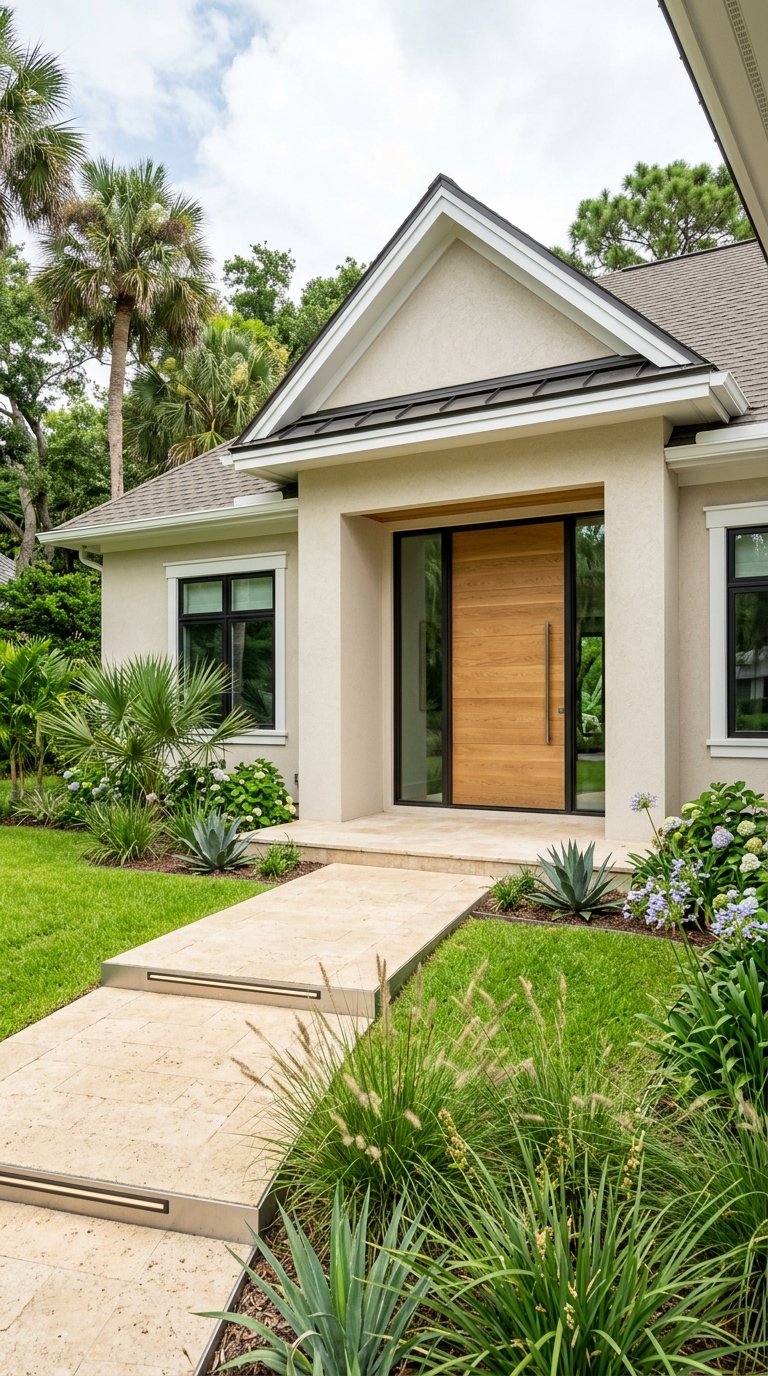
- Tackle exterior curb appeal: pressure wash siding and driveways, clean gutters, prune palms and shrubs, refresh mulch, and secure any loose railings or screening.
- Schedule HVAC service and replace filters. Florida buyers care about A/C performance and maintenance history.
- Handle roof repairs or maintenance and gather service records. Buyers will ask about roof age and condition.
- Address any signs of moisture or mold. If you had past issues, document remediation.
1 to 2 weeks before listing
- Complete a final declutter and deep clean. Place staging items and finalize furniture layout.
- Consider a pre-listing inspection and a wood-destroying organism (WDO) inspection so you can address issues before buyers find them.
- Gather documents: utility bills, service records, roof or A/C warranties, HOA rules and fees if applicable, flood insurance information, and an elevation certificate if available.
- Produce your Seller’s Property Disclosure and organize your documentation for buyers.
- Confirm your professional photography and virtual tour appointment.
Listing week
- Finish any last-minute touch-ups like paint nicks and burned-out bulbs.
- Launch on the MLS with high-quality photos and tours. Be ready for quick showings and weekend open houses.
- Keep the home in showing condition. Freshen curb appeal and interior surfaces every few days.
Coastal priorities buyers notice
Spring shoppers compare many homes, so small details matter. In coastal markets, these items are top of mind.
Flood risk and documentation
- Be transparent about flood zones and insurance. Buyers look for clear information on whether a property is in a FEMA Special Flood Hazard Area.
- Include an elevation certificate if you have one. If you are in a high-risk area and do not have it, start early.
- Share your current flood policy details and premiums if available.
Roof, seawall, and exterior structure
- Buyers ask about roof age, visible corrosion, and seawall condition. Provide inspection or maintenance records and any warranties.
- If you made recent repairs, document them. This can build confidence and support your price.
Salt-related corrosion
- Salt air affects metal railings, fasteners, HVAC components, and exterior fixtures. Clean, replace, or coat corroded items so they present well.
- Power washing and sealing wood decks or porches go a long way in showing care and longevity.
HVAC, moisture, and mold
- Service your HVAC and keep records. Replace filters before showings.
- If you had moisture or mold, remediate and keep documentation ready for buyers and lenders.
WDO/termite readiness
- WDO inspections are common in Florida and sometimes required by lenders. A pre-listing WDO report can reduce surprises and delays.
Disclosures and association details
- Prepare your Seller’s Property Disclosure and include all known material facts.
- If your home is in an HOA or condo, have governing documents and fee schedules ready for review.
Pricing and launch strategy for March and April
Timing your listing is only half the strategy. The other half is how you present and price it. A sharp, competitive price at launch helps convert strong spring traffic into early offers.
Review comparable sales in Jacksonville Beach and nearby Duval communities, then weigh current inventory and demand. Plan to capitalize on the first two to three weeks, which often receive the most attention from motivated buyers. This is when professional photography, staging, and a clean home make the biggest difference.
If you are upgrading to impact windows, a newer roof, or corrosion-resistant fixtures, highlight these during launch. Coastal-resilient features can matter to buyers who want move-in ready ease.
Quick pre-listing checklists
Use these to stay on track as your listing week gets closer.
Document and disclosure checklist
- Property documents: deed, tax info, recent utility bills
- Insurance and warranties: roof, A/C, flood policy details
- HOA or condo: rules, fee schedules, and any recent notices
- Elevation certificate, if available
- Seller’s Property Disclosure, completed and organized
Condition and service checklist
- Roof: inspection or recent maintenance, with receipts
- HVAC: serviced, filters replaced, service records on hand
- Plumbing and electrical: fix known issues, replace dated GFCIs if needed
- WDO: pre-listing inspection completed or scheduled
- Moisture and mold: address and document any remediation
Curb appeal and interior prep checklist
- Exterior: pressure washed, paint touch-ups completed
- Landscaping: beds cleaned, palms trimmed, mulch refreshed
- Decks and railings: secure, sealed, and clean
- Interior: decluttered, deep cleaned, neutral accents, working bulbs
- Staging: furniture arranged to maximize light and flow
- Photos and tours: scheduled 1 to 2 weeks pre-list
Contractor scheduling tips
- Book early. Smaller jobs can take 2 to 6 weeks to schedule. Larger projects with permits, such as roofs or window replacements, often require 6 to 12 or more weeks.
- Get at least three bids for work over a few thousand dollars. Compare scope, timeline, and warranty terms.
- Confirm permits up front. Ask for a written scope that lists permit needs, material lead times, and exact start dates.
- Build buffer time. Weather, humidity, and material delays can shift schedules in late winter and early spring.
How to set your target date
Work backward from the week you want to go live in March or April. If your home only needs light cosmetic updates and staging, plan on 4 to 6 weeks of prep. If you expect roof, window, or structural work with permits, start at least 10 to 12 weeks out.
Make a simple calendar with the milestones above. Pencil in vendor dates, disclosure deadlines, and the photography appointment. Stay flexible, but protect your listing date so you hit that spring sweet spot when buyers are active and focused on summer plans.
Your next step
If you are thinking about a spring sale in Jacksonville Beach, now is the time to map your timeline, prep your home, and choose your launch week. A clear plan helps you stand out during the busiest season and reduces stress as showings start.
Ready to talk strategy, pricing, and a market-ready plan for your home? Connect with Pamela Hoffman to schedule a friendly consultation that fits your goals and timing. You will get straightforward guidance, premium presentation, and a plan designed for the First Coast.
FAQs
When should I start preparing for a spring home sale in Jacksonville Beach?
- For light cosmetic work, start 4 to 6 weeks ahead. If you have roofing, window, or other permit-based projects, start 10 to 12 or more weeks before your target March or April listing.
Why is spring a good time to list in coastal Duval County?
- Buyer activity typically peaks from late winter through spring, and Jacksonville Beach also sees seasonal visitors and second-home shoppers, which can boost demand.
How does hurricane season affect my listing strategy in Northeast Florida?
- Listing in spring puts your sale ahead of hurricane season, which runs from June 1 to November 30, lowering the risk of storm-related delays for showings, inspections, or closings.
What coastal-specific items should I fix before listing in Jacksonville Beach?
- Prioritize roof condition, HVAC service, any moisture or mold issues, salt-related corrosion on metal, and seawall or deck safety. Clean, document, and repair where needed.
Do I need an elevation certificate to sell my home by the beach?
- Not always, but it helps buyers and lenders understand flood risk and insurance. If you are in a high-risk zone and do not have one, schedule it early.
Should I get a pre-listing WDO and home inspection before going live?
- It is recommended. These inspections help you fix issues upfront and can speed up negotiations and closing once you receive an offer.
How soon should I book photographers and stagers for a spring listing?
- Reserve both several weeks in advance. Aim to shoot professional photos 1 to 2 weeks before your listing date so your home is fully prepped and staged.